Diane von Furstenberg and Doug McMillon Connection Explained
Tags: diane von furstenberg and doug mcmillon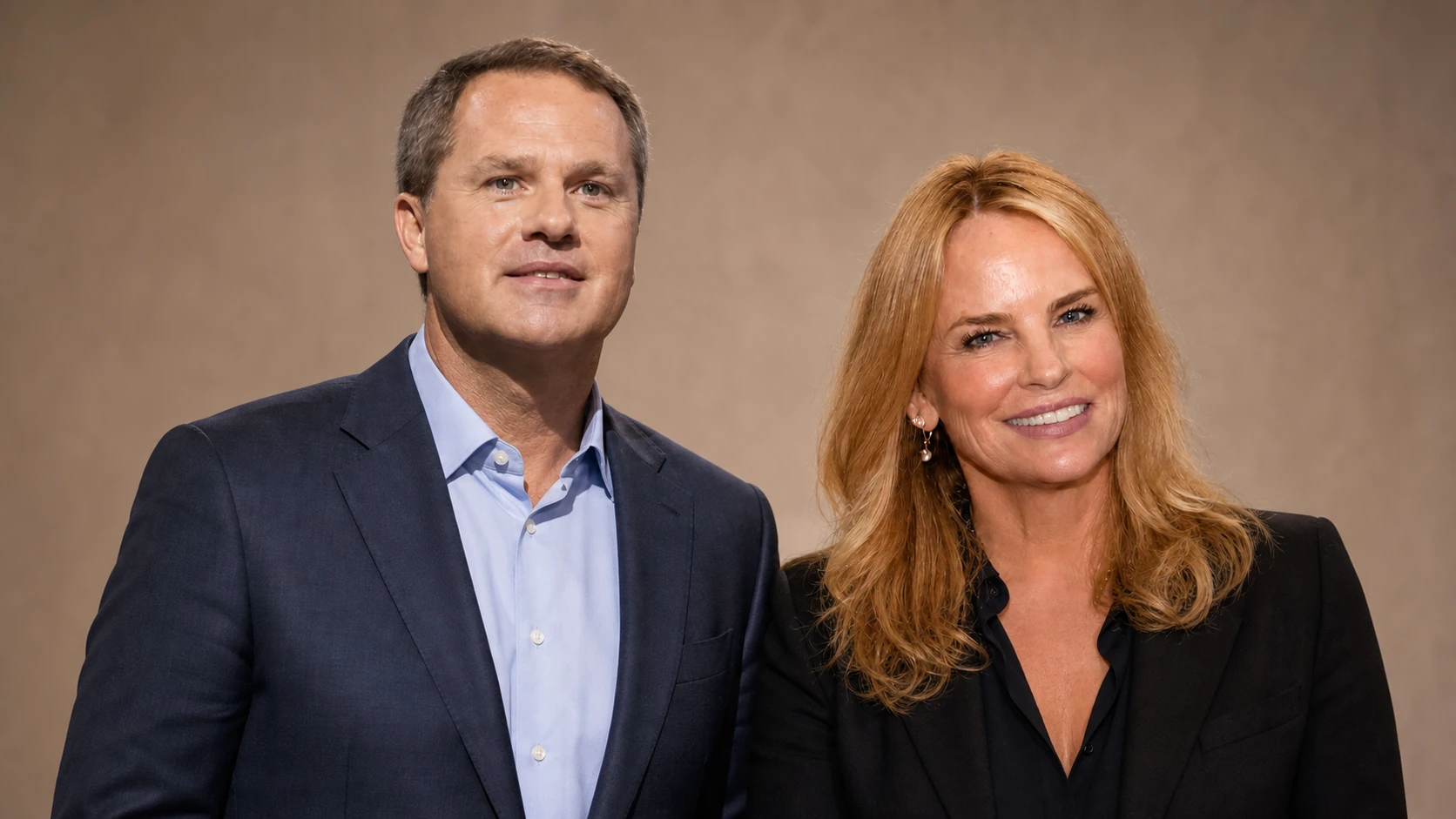
Diane von Furstenberg and Doug McMillon became influential figures through two sharply different versions of retail success. Von Furstenberg created a fashion identity around the wrap dress, turning one practical design into an international brand and a lasting symbol of women’s independence. McMillon rose from an hourly Walmart job to the top of the world’s largest retailer, guiding the company through the expansion of online shopping, delivery, advertising and digital services.
Their names are sometimes searched together, but they are not publicly known to be relatives, romantic partners or direct business partners. No confirmed joint venture, board role or close personal relationship connects them. Their shared relevance comes from retail: one built a founder-led fashion company around design and personal image, while the other managed a huge public corporation built around price, logistics and consumer scale.
As of August 2026, von Furstenberg remains active through her brand, licensing, beauty projects and work supporting women. McMillon stepped down as Walmart’s president and chief executive at the end of January 2026 after nearly 12 years in the position, leaving behind a company far more digitally focused than the one he inherited.
The Real Connection Between Diane von Furstenberg and Doug McMillon
There is no publicly confirmed family connection between Diane von Furstenberg and Doug McMillon. Their biographies describe separate backgrounds, families and professional circles, and neither has identified the other as a relative or personal associate.
There is also no evidence that McMillon helped operate the Diane von Furstenberg company or that von Furstenberg held a formal role at Walmart. Her merchandise may appear through large retailers or online marketplaces, but product availability alone doesn’t prove that two senior figures worked together.
The clearest reason to discuss them in the same article is that they represent opposite ends of the retail business. Von Furstenberg’s career centers on authorship, taste and brand identity. McMillon’s career centers on operations, distribution, technology and managing an institution much larger than any individual executive.
Diane von Furstenberg’s Early Life and Family
Diane Simone Michele Halfin was born on December 31, 1946, in Brussels, Belgium. She is 79 years old as of August 2026. She was raised in a Jewish family and has often spoken about the influence of her mother, Liliane Nahmias, who survived Nazi concentration camps during the Second World War.
Her mother’s survival shaped von Furstenberg’s ideas about fear, strength and independence. Rather than presenting her childhood as a simple path toward glamour, she has connected her confidence to a family history marked by trauma and recovery.
Von Furstenberg studied at the University of Geneva, where she met Prince Egon von Furstenberg, a member of a German aristocratic family. They married in 1969 and had two children, Alexander and Tatiana. The marriage ended in divorce, but she retained the surname under which she had already begun building her career.
She later developed a long relationship with American media executive Barry Diller. The couple married in 2001 after knowing each other for decades. Their marriage, homes and philanthropic work have received public attention, though von Furstenberg has continued to maintain a professional identity separate from her husband’s business career.
The Wrap Dress and Her Fashion Breakthrough
Von Furstenberg began working in fashion during the late 1960s and early 1970s. After moving to New York, she introduced clothing that reflected the lives of women who wanted to look polished without wearing stiff or restrictive garments.
Her defining product arrived in 1974. The Diane von Furstenberg wrap dress used soft jersey fabric, a V-shaped neckline and a waist tie that allowed the wearer to adjust the fit. It could be worn at work, while traveling or during an evening out, and it didn’t require complicated fastenings.
The dress became one of the most recognizable American fashion designs of the decade. More than one million examples were sold within a few years, and von Furstenberg appeared on the cover of Newsweek in 1976. Museums, including the Metropolitan Museum of Art, later added versions of the dress to their fashion collections.
Its success came from more than appearance. The design gave women freedom of movement and offered a flexible fit at a time when increasing numbers of women were entering professional workplaces. Von Furstenberg described clothing as a tool for confidence, and the wrap dress became the clearest expression of that idea.
Business Expansion, Setbacks and Return
Rapid success allowed von Furstenberg to expand into fragrance, cosmetics, accessories and licensed products. Her name became commercially valuable beyond clothing, but expansion also exposed the company to the risks that often affect founder-led fashion labels.
Demand changed, and the brand lost some of its early momentum. Von Furstenberg stepped back from the center of American fashion during parts of the 1980s, lived in Paris and worked on publishing and other business projects.
She returned to retail through television shopping before relaunching her fashion label in the 1990s. The wrap dress once again became central to the company, this time reaching younger customers who had not experienced its original success.
That return showed both the strength and limitation of the DVF business. Few designers have a product with such immediate recognition, but relying heavily on one historical design can make it harder to establish new icons. The company has spent years balancing its archive with the need to create clothing for changing customers.
Von Furstenberg also served as chair of the Council of Fashion Designers of America from 2006 to 2019. In that role, she became an industry advocate as well as a designer, supporting American fashion, emerging talent and programs connected to professional development.
Philanthropy and Public Recognition
Von Furstenberg’s public work has increasingly centered on women’s leadership and social causes. In 2010, she and the Diller-von Furstenberg Family Foundation established the DVF Awards, which honor women working in human rights, public service, health and community leadership.
The awards extend the message associated with her fashion brand. Rather than presenting independence only as a matter of personal style, the program recognizes women whose work affects institutions and communities.
She has also supported cultural and civic projects with Barry Diller through their family foundation. Their philanthropy has included major donations connected to New York public spaces, arts organizations and educational causes.
In January 2025, the World Economic Forum honored von Furstenberg with a Crystal Award for her support of women, leadership and social responsibility. The award reflected how her public reputation had expanded beyond the wrap dress, even though the dress remains the foundation of her fame.
Diane von Furstenberg’s Recent Work
The 50th anniversary of the wrap dress brought renewed attention to von Furstenberg in 2024. The documentary Diane von Furstenberg: Woman in Charge premiered at the Tribeca Festival before reaching streaming audiences. It examined her family history, marriages, career success, business setbacks and control over her own public image.
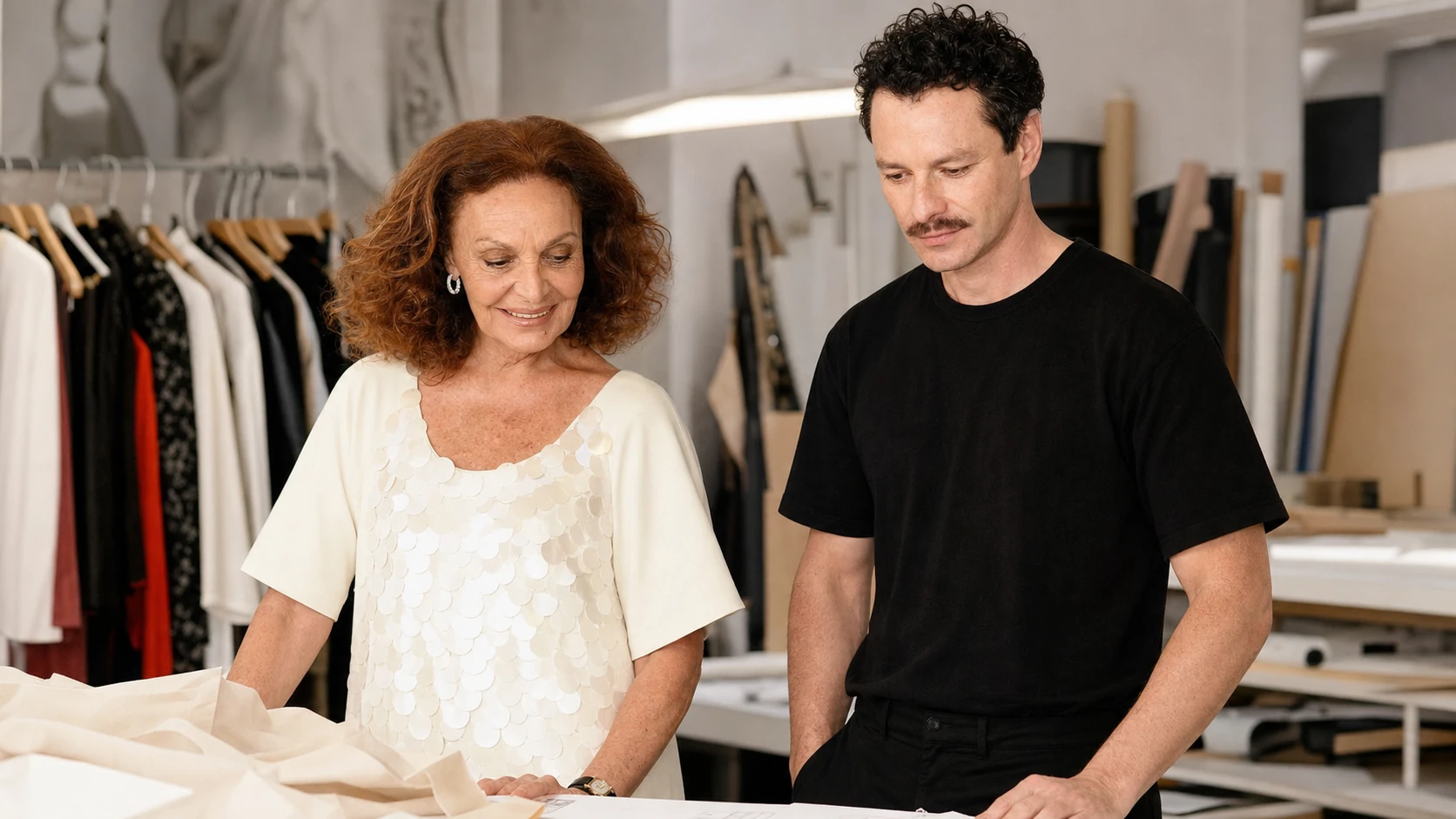
That year, her company also released a large collection with Target. The collaboration included clothing, accessories, beauty products and home goods, giving customers access to DVF patterns and design ideas at lower prices than the main fashion line.
During 2025, von Furstenberg worked to regain closer control of her brand after a period in which outside licensing arrangements handled major parts of the business. The move indicated that she wanted greater authority over how the DVF name, archive and products were used.
In 2026, the company appointed knitwear designer Henry Zankov as its first artistic director. The decision marked an important succession step: von Furstenberg remained the founder and central public figure, while another designer took responsibility for shaping future collections.
She also returned to beauty through a limited collection with Estée Lauder in 2026. The project connected her current business activity with product categories she had entered earlier in her career.
Doug McMillon’s Early Life and Education
Carl Douglas McMillon was born on October 17, 1966, in Memphis, Tennessee. He is 59 years old as of August 2026. He spent much of his childhood in Jonesboro, Arkansas, and later attended the University of Arkansas.
McMillon earned a bachelor’s degree in business administration with a focus on accounting. He later completed a Master of Business Administration at the University of Tulsa.
His connection to Walmart began before he had finished college. In 1984, he took a summer job as an hourly associate at a Walmart distribution center. That entry-level position became the starting point of a career that lasted more than four decades.
From Hourly Associate to Walmart CEO
After graduate school, McMillon returned to Walmart and worked in buying and merchandising. He held jobs involving food, clothing, general merchandise and international operations, gaining experience across several parts of the company.
In 2005, he became president and chief executive of Sam’s Club. Four years later, he was named president and CEO of Walmart International, giving him responsibility for the company’s operations outside the United States.
Walmart selected McMillon to succeed Mike Duke as president and chief executive in 2014. His promotion continued the company’s tradition of choosing leaders who had spent much of their careers inside Walmart.
He took charge at a difficult moment. Walmart remained a retail giant, but Amazon and other online companies were changing customer expectations around selection, ordering, delivery and convenience. The company’s store network was a major asset, yet it needed to connect those stores with a much stronger digital business.
Walmart’s Digital Shift Under McMillon
McMillon directed heavy investment toward e-commerce, delivery, store pickup and mobile technology. Walmart began using its stores not only as shopping locations but also as local fulfillment centers for online orders.
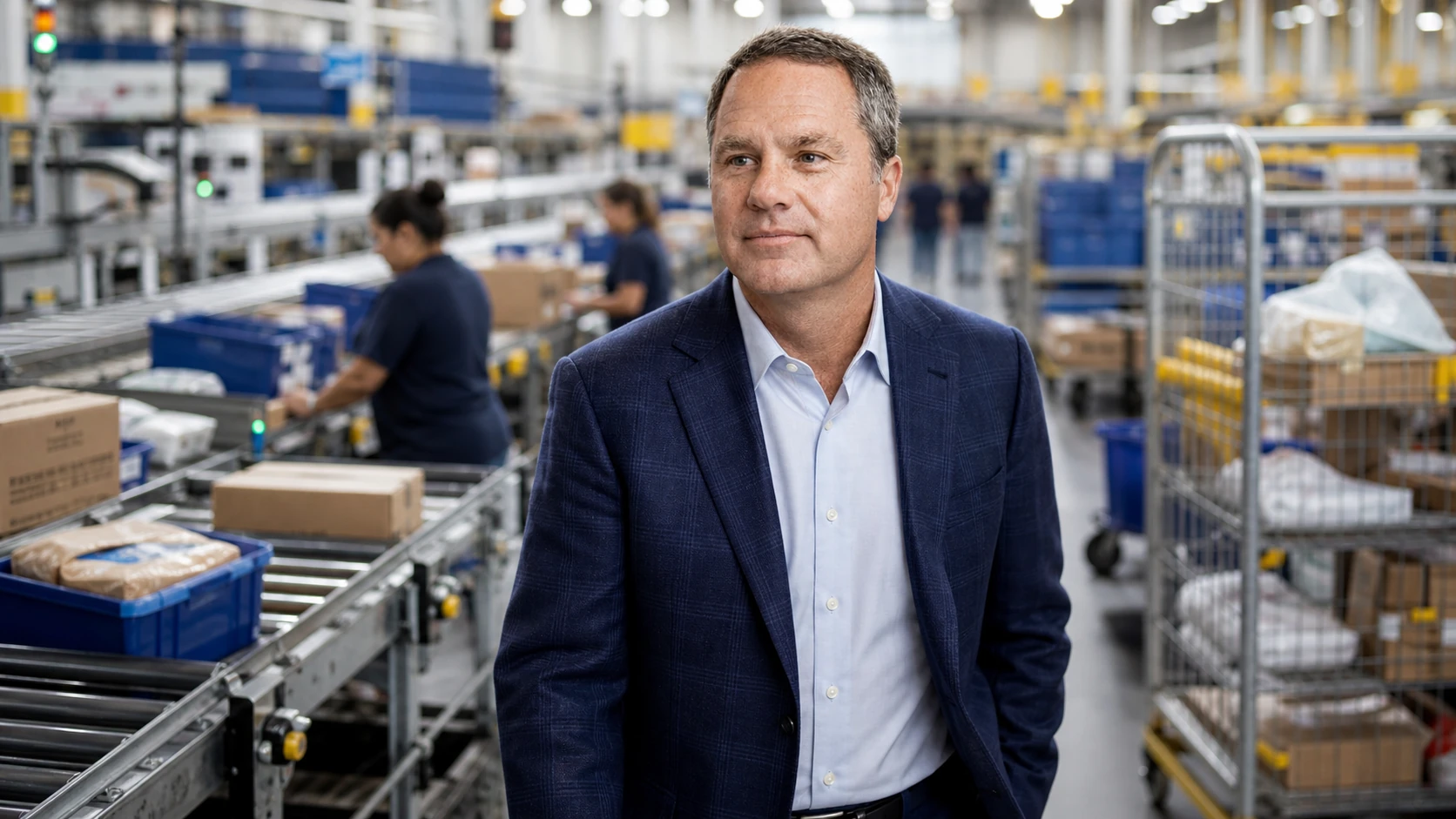
The company’s 2016 purchase of Jet.com was one of the clearest signs of that push. Jet itself was later closed, but the acquisition brought digital talent and helped Walmart move faster in online retail.
Walmart also bought a controlling interest in Indian e-commerce company Flipkart in 2018. The transaction gave Walmart access to one of the world’s largest long-term consumer markets without depending on its usual big-box store model.
Other investments expanded Walmart’s sources of income. The retailer built an advertising business, strengthened its online marketplace and bought television company Vizio in 2024. The Vizio deal connected Walmart with streaming technology and gave its advertising division another way to reach consumers.
By the end of McMillon’s tenure, Walmart was no longer simply a chain of physical discount stores. It had become a combined store, delivery, membership, advertising and online marketplace business.
Wages, Employees and Public Criticism
McMillon also oversaw major changes in employee pay and training. Walmart announced wage increases in 2015 and committed billions of dollars to compensation, education and workforce programs over the following years.
Those investments affected a workforce numbering in the millions, but they did not end criticism of Walmart’s labor practices. Worker advocates continued raising concerns about scheduling, benefits, part-time work, store staffing and the gap between executive compensation and hourly wages.
McMillon often presented employee development as both a business need and a personal priority. His own path from a distribution-center job to the CEO’s office gave him an unusual biography among leaders of very large public companies.
Still, his individual rise shouldn’t be treated as proof that every Walmart employee has equal access to promotion. The company’s size creates opportunities, but it also produces uneven experiences across stores, markets and job categories.
Retirement and Current Status
Walmart announced in late 2025 that McMillon would retire as president and CEO on January 31, 2026. John Furner, another longtime Walmart executive who had led the company’s U.S. division, became CEO on February 1.
McMillon agreed to remain available as an adviser during the leadership transition. His retirement closed a tenure of nearly 12 years in which Walmart increased its revenue, expanded online sales and found new ways to use its physical stores.
His final record includes both growth and unresolved debates. Walmart became more competitive with online retailers, but it remained under scrutiny over labor, supplier pressure, local economic effects and the enormous influence that comes with controlling so much consumer spending.
Marriage, Children and Private Life
Diane von Furstenberg has two children from her marriage to Egon von Furstenberg: Alexander von Furstenberg and Tatiana von Furstenberg. Both have been connected to business, arts or philanthropic work. She also has grandchildren, though she generally discusses family life without turning every private detail into publicity.
Her marriage to Barry Diller is publicly established, and the couple have appeared together at cultural and philanthropic events. Their relationship has attracted interest because both are wealthy and influential, but von Furstenberg’s career was well established before their 2001 wedding.
Doug McMillon is married to Shelley McMillon, whom he met during his younger years in Arkansas. They have two sons. The family has maintained a lower profile than many executive households, and detailed information about their private lives is limited.
Neither von Furstenberg nor McMillon has publicly presented family as a product for constant media attention. Their relatives are known, but many personal matters remain appropriately private.
Net Worth and Income Sources
Diane von Furstenberg’s exact personal net worth is not publicly confirmed. Online figures vary widely and often mix her own assets with those of Barry Diller, whose wealth comes from a separate media and technology career.
Her income and assets have come from fashion sales, licensing, fragrance, beauty products, books, collaborations and ownership interests connected to the DVF brand. Any precise estimate should be treated cautiously because the company is privately held and its full finances aren’t public.
Doug McMillon’s net worth is also not officially confirmed. His earnings as Walmart CEO were disclosed through public-company filings and included salary, stock awards and performance-based compensation.
Over a long executive career, stock compensation can become more valuable than annual salary, but public compensation figures don’t reveal a person’s complete finances. Taxes, investment decisions, charitable giving, property and stock sales all affect actual wealth.
Frequently Asked Questions
Are Diane von Furstenberg and Doug McMillon related?
No. There is no publicly confirmed family relationship between them. They come from different backgrounds and built separate careers.
Did Diane von Furstenberg work with Walmart?
No major direct partnership between von Furstenberg and Walmart’s leadership has been publicly confirmed. Her best-known recent mass-market collaboration was with Target in 2024.
What is Diane von Furstenberg’s age?
She was born on December 31, 1946, and is 79 years old as of August 2026.
What is Doug McMillon’s age?
He was born on October 17, 1966, and is 59 years old as of August 2026.
Is Doug McMillon still Walmart’s CEO?
No. He retired as president and CEO on January 31, 2026. John Furner became Walmart’s chief executive on February 1, 2026.
Who is Diane von Furstenberg married to?
She has been married to media executive Barry Diller since 2001. Her first husband was Prince Egon von Furstenberg, with whom she had two children.
What are their net worths?
Neither person’s exact net worth is publicly confirmed. Von Furstenberg’s wealth is tied mainly to fashion, licensing and investments, while McMillon’s comes largely from executive compensation and Walmart stock.
Conclusion
Diane von Furstenberg and Doug McMillon are not known for a shared relationship or project. Their connection exists mainly in the way their careers illustrate two forms of retail power.
Von Furstenberg built influence through a product that carried her name, personality and message of independence. Her continuing challenge is to let the brand grow under new creative leadership without losing the character that made it recognizable.
McMillon gained influence by working through a vast institution and changing how it served customers. His years at Walmart show how stores, technology and distribution can be joined rather than treated as competing businesses.
Their stories matter for different reasons, but both demonstrate that lasting retail success depends on adaptation. A famous design and a global operating system can each endure, provided the people responsible for them understand when to protect the past and when to change direction.