
José Pedro Balmaceda Riera built a respected career in reproductive medicine before his name became tied to one of the most serious fertility-clinic scandals in the United States. He is also known as the father of actor Pedro Pascal, whose success has renewed public interest in the Balmaceda family’s history of political exile, medicine, migration, and personal loss.
Born in Santiago, Chile, in 1948, Balmaceda trained as a physician during a period of political upheaval. He and his wife, Verónica Pascal Ureta, later fled Chile during Augusto Pinochet’s dictatorship and rebuilt their lives abroad. In the United States, Balmaceda became a fertility specialist, researcher, and university physician whose work contributed to early assisted-reproduction techniques.
His biography is difficult to reduce to a single description. It includes professional achievement, a family shaped by exile, accusations of grave medical misconduct at the University of California, Irvine, and a later guilty plea involving tax fraud. Some parts of his present life remain private or have not been publicly confirmed.
Early Life and Family Background
José Pedro Balmaceda Riera was born on August 22, 1948, in Santiago, Chile. He is 77 years old as of July 2026. Public biographical records identify his parents as Juanita Riera and José Balmaceda, and report that he grew up with five sisters.
His mother reportedly owned a boutique, while his father was involved in the timber business. Balmaceda attended San Ignacio, a Catholic school in Santiago. It was there that he met Sergio Stone, who later became a physician and colleague in reproductive medicine.
Balmaceda grew up in a country marked by sharp social and political divisions. Those tensions intensified during his medical training and eventually shaped the course of his family’s life. His story cannot be separated from the political crisis that followed the 1973 military coup in Chile.
Medical Education and Early Ambitions
Balmaceda studied medicine at the Pontifical Catholic University of Chile. He graduated in 1974 and began postgraduate training in obstetrics and gynecology at the University of Chile Hospital.
Obstetrics and gynecology was changing rapidly during this period. Researchers were beginning to develop new ways to treat infertility, while the birth of the first baby conceived through in vitro fertilization in 1978 would soon alter reproductive medicine worldwide.
Balmaceda’s training in Chile was interrupted by political events. He and his wife became connected to people opposing the Pinochet government, and the family eventually left the country after facing danger because of those associations.
Marriage to Verónica Pascal Ureta
Balmaceda married Verónica Pascal Ureta, a Chilean child psychologist. Together they had four children: Javiera, Pedro, Nicolás, and Lux.
Their son Pedro was born José Pedro Balmaceda Pascal on April 2, 1975, in Santiago. He later became internationally known as Pedro Pascal through roles in Game of Thrones, Narcos, The Mandalorian, The Last of Us, and major films.
Pedro adopted Pascal as his professional surname after his mother’s death. He has explained that the name honored Verónica and was also easier for American casting professionals to pronounce than Balmaceda. His stage name did not erase his father’s surname, which remains part of his full birth name.
José and Verónica eventually separated. Verónica died in 1999, a loss Pedro Pascal has spoken about with lasting affection and grief. Details about Balmaceda’s later romantic life are not publicly confirmed.
Political Exile and Life as a Refugee
José Balmaceda Riera and Verónica Pascal left Chile during the dictatorship of Augusto Pinochet. Pedro Pascal has said his parents were young political opponents of the regime who helped people in danger and were forced to flee after becoming targets themselves.
The family first received refuge in Denmark. They later moved to the United States, where Balmaceda resumed his medical training and the children grew up mainly in California and Texas.
Their exile was more than a change of address. Balmaceda had to rebuild a medical career in a new country, while the family adjusted to a different language, culture, and political environment. Pedro Pascal has frequently described himself as an immigrant and the son of refugees.
The family maintained strong ties to Chile. Pedro and his siblings spent time there, and José later returned to the country. That connection remained part of the family’s identity even as their lives spread across different countries.
Medical Career in the United States
After arriving in the United States, Balmaceda completed his residency in obstetrics and gynecology at the University of Texas Health Science Center at San Antonio in 1980. He later received a Rockefeller Foundation fellowship in reproductive endocrinology.
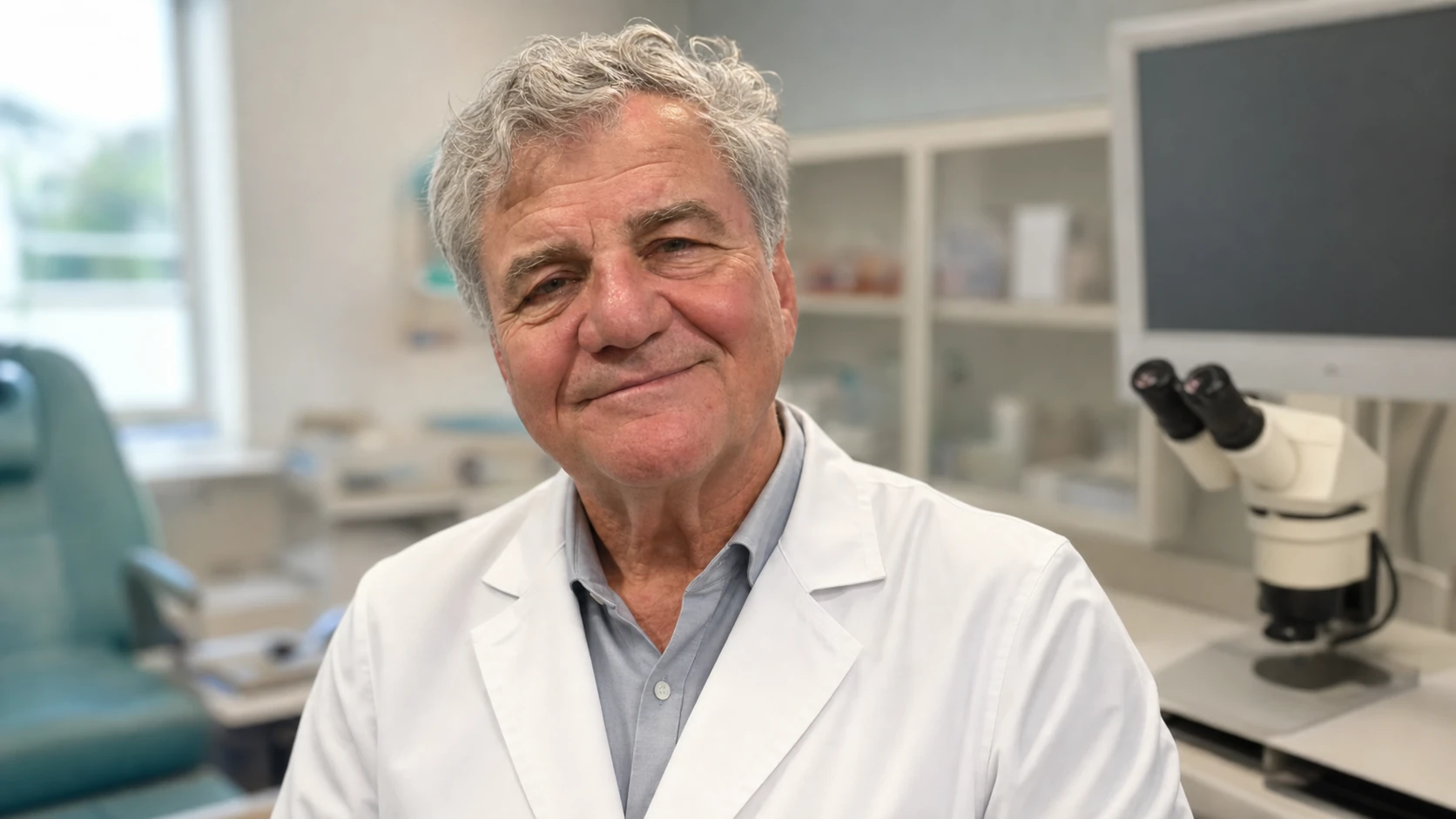
His work brought him into contact with Ricardo Asch, a fertility specialist associated with the development of gamete intrafallopian transfer, known as GIFT. The procedure involved placing eggs and sperm directly into a woman’s fallopian tube so fertilization could occur inside the body.
GIFT was considered a major fertility treatment during the 1980s, before improvements in in vitro fertilization made IVF the more common option. The procedure required laparoscopy and was more invasive than later fertility methods.
Balmaceda coauthored research on GIFT and other fertility treatments. His published work included studies on implantation, embryo transfer, ovarian function, reproductive aging, and multiple pregnancy. That record shows that he had a real academic and clinical role in the development of assisted reproduction.
Work at the University of California, Irvine
Balmaceda joined the University of California, Irvine Medical Center in 1986. He worked with Ricardo Asch and Sergio Stone in reproductive medicine while also participating in a private fertility practice known as the Center for Reproductive Health.
The clinic attracted patients seeking treatment for infertility at a time when assisted reproduction was expensive, physically demanding, and less predictable than it is now. Patients depended heavily on their physicians to manage eggs, sperm, embryos, laboratory records, and consent forms correctly.
Balmaceda and his colleagues gained professional attention through research, treatment results, and international medical presentations. Their standing began to collapse in the mid-1990s when former employees raised concerns about what was happening inside the clinic.
The UC Irvine Fertility Scandal
The UC Irvine fertility scandal became public in 1995. Investigations found evidence that eggs and embryos taken from some patients had been transferred to other women without the original patients’ knowledge or permission.
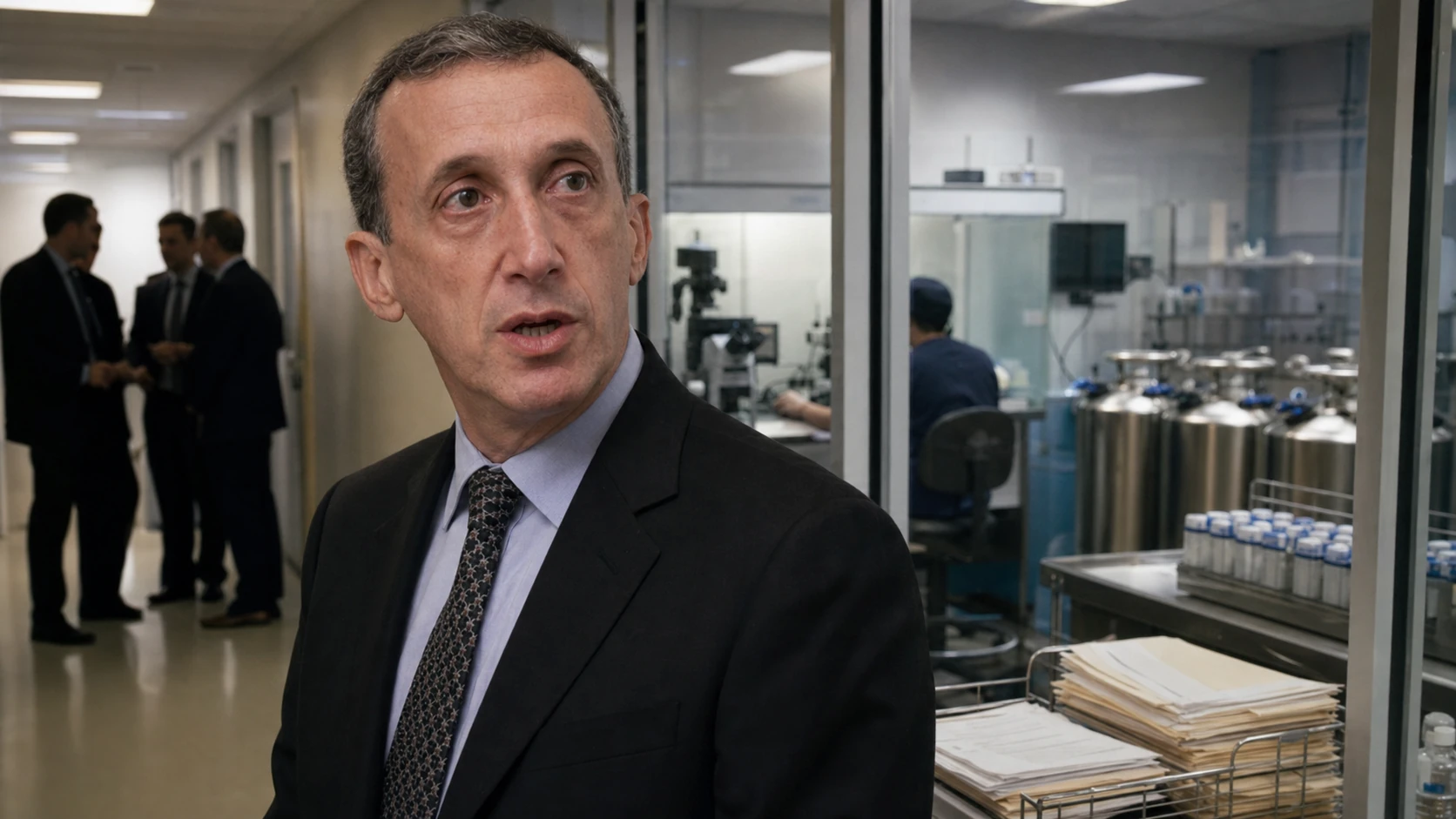
The alleged conduct represented a severe violation of medical consent. Patients who underwent egg retrieval had agreed to use their eggs for their own treatment, not to become genetic parents for another family. Unauthorized transfers created permanent biological relationships that the affected patients had never chosen.
Balmaceda, Ricardo Asch, and Sergio Stone were the doctors most closely associated with the clinic. The accusations also included falsified or incomplete records, insurance billing problems, and financial misconduct.
The university suspended research connected to the physicians, and the clinic closed. Civil cases followed, while state and federal authorities examined the doctors’ actions.
Balmaceda denied knowingly taking part in unauthorized egg transfers. He argued that Asch carried primary responsibility and criticized UC Irvine’s oversight. His denial remains part of the public record, but the clinic’s documented failures caused lasting harm to patients and children born through the procedures.
Why the Case Was So Serious
The clinic scandal was not simply a dispute over poor recordkeeping. Egg retrieval requires hormonal medication, repeated medical monitoring, sedation, and an invasive procedure. Patients undergo those risks with a specific understanding of how their reproductive material will be used.
Using eggs or embryos without consent can affect biological identity, medical history, inheritance, and family relationships. Children born through unauthorized transfers may discover biological relatives decades later, sometimes through consumer DNA testing.
The scandal also exposed a gap in California law. At the time, there was no criminal statute written specifically to punish the unauthorized use of eggs, sperm, or embryos. Prosecutors relied on financial and fraud-related charges instead.
California later changed its law, making the knowing use of reproductive material without proper consent a felony. The case helped establish why fertility clinics need strict identity checks, written consent, laboratory controls, and a documented chain of custody.
Departure From the United States
Balmaceda left the United States in 1995 while investigations were underway. He traveled to Chile and did not return to California at that time.
Federal authorities later sought him in connection with allegations involving mail fraud, insurance billing, and taxes. UC Irvine ended his employment, and the legal case remained unresolved for many years.
In 2001, Balmaceda was arrested in Argentina after authorities acted on a United States extradition request. He was released on bail but returned to Chile after failing to appear for a scheduled hearing.
He continued to be associated with reproductive medicine in Latin America. Older public biographies describe him as working in Chile and holding a leadership position in a regional assisted-reproduction organization. His exact professional status in 2026 is not publicly confirmed.
The 2022 Tax Fraud Plea
In February 2022, Balmaceda returned to federal court in Santa Ana, California, after signing a plea agreement. The case concerned tax fraud rather than a criminal charge for transferring eggs or embryos without consent.
He admitted that he had underreported income for the tax years 1991 and 1992. The plea agreement identified omitted income of $64,208 in 1991 and $52,951 in 1992.
The admitted tax losses were $19,904 and $16,415. These figures are part of the verified legal record and should not be confused with the separate medical allegations linked to the fertility clinic.
Public reporting does not clearly establish every later procedural detail or the final sentence connected to the plea. Claims that he received a specific prison term, probation period, or other punishment should be treated cautiously unless supported by a court document.
Relationship With Pedro Pascal
Pedro Pascal has spoken with respect and affection about his parents’ sacrifices. He has described José and Verónica as young people who opposed the Pinochet dictatorship and risked their safety to help others.
José has also spoken publicly about Pedro’s ties to Chile. He has described his son as informed about Chilean affairs and emotionally connected to the country, despite building his career in the United States.
Their relationship is sometimes discussed only through the UC Irvine case, but Pedro’s public comments focus mainly on family, exile, identity, and gratitude. He has not made his father’s legal history a central part of his own public image.
Pedro Pascal’s fame has increased searches for José Balmaceda Riera, but the father and son have separate careers and public records. Pedro is not responsible for allegations or legal matters involving his father.
Children and Family Life
José Balmaceda Riera and Verónica Pascal Ureta had four children. Javiera Balmaceda has worked in the entertainment industry, including executive roles connected to international film and television.
Pedro Pascal became the best-known member of the family through acting. Nicolás Balmaceda has largely remained outside celebrity reporting, and reliable public details about his professional and personal life are limited.
Lux Pascal is an actress and public advocate who has worked in Chile and internationally. She publicly came out as a transgender woman and has spoken warmly about the support she received from her family, including Pedro.
The siblings appear to have maintained a close relationship despite living in different countries and working in different fields. José’s private day-to-day relationship with each of his children is not fully public.
Net Worth and Income Sources
José Balmaceda Riera’s net worth is not publicly confirmed. Websites that publish exact estimates generally do not provide reliable financial records, and those figures should not be treated as fact.
His income historically came from medicine, academic work, private fertility treatment, research, and professional appointments. It is not clear whether he currently receives income from clinical practice, consulting, retirement benefits, investments, or other sources.
Pedro Pascal’s wealth should not be used to estimate his father’s finances. Family relationships do not prove shared assets, joint accounts, or financial support.
Public Image and Reputation
Balmaceda’s public image is divided between two powerful narratives. One presents him as a politically engaged Chilean doctor who fled dictatorship, rebuilt his career, and raised a family that retained strong cultural ties to Chile.
The other centers on his leadership role at a fertility clinic associated with unauthorized egg and embryo transfers. Former patients experienced the scandal as a violation of bodily autonomy, reproductive choice, and trust in medicine.
Both parts of the biography are supported by public records. Recognizing the courage involved in exile does not require dismissing the medical allegations, and acknowledging the clinic’s failures does not erase the family’s political history.
His research career also remains part of the record. He contributed to early fertility medicine, but professional accomplishment does not remove the need for ethical responsibility and patient consent.
Recent Status
Balmaceda’s 2022 return to federal court was the most important recent confirmed development in his legal history. It brought him back into public attention after decades in which the United States case had remained unresolved.
Interest increased again in 2024 and 2025 as reporting revisited the human consequences of the UC Irvine fertility scandal. Some adults born through disputed or unauthorized procedures have used DNA testing to identify biological relatives, showing that the effects of the clinic’s actions continue long after the original treatments.
As of July 2026, Balmaceda’s current residence, active medical role, health, and daily life are not publicly confirmed. He has not maintained the kind of public profile associated with his son.
Frequently Asked Questions
Who is José Balmaceda Riera?
José Pedro Balmaceda Riera is a Chilean physician and reproductive-medicine specialist. He is widely known as Pedro Pascal’s father and as one of the doctors associated with the UC Irvine fertility scandal.
How old is José Balmaceda Riera?
He was born on August 22, 1948. He is 77 years old as of July 2026 and will turn 78 in August 2026.
Is José Balmaceda Riera Pedro Pascal’s biological father?
Yes. José Balmaceda Riera and Verónica Pascal Ureta are Pedro Pascal’s parents. Pedro’s full birth name is José Pedro Balmaceda Pascal.
What happened at the UC Irvine fertility clinic?
Investigations found that eggs and embryos from some patients were transferred to other patients without proper knowledge or consent. Balmaceda denied knowingly participating in unauthorized transfers, but he was one of the senior doctors connected to the clinic.
Was José Balmaceda Riera convicted of stealing eggs?
The public record does not show that he was convicted of a criminal offense called egg theft. California lacked a specific law covering unauthorized reproductive transfers at the time, and his later guilty plea involved tax fraud.
Is José Balmaceda Riera still a doctor?
He worked for many years in reproductive medicine and was reported to have continued his career in Chile. His active clinical status as of 2026 is not publicly confirmed.
What is José Balmaceda Riera’s net worth?
His net worth is not publicly confirmed. Online estimates lack dependable supporting evidence and should be treated as speculation.
Conclusion
José Balmaceda Riera’s life connects Chilean political history, forced migration, medical ambition, family achievement, and a major failure of trust in reproductive care. He rebuilt his career after exile and contributed to early fertility research, yet his professional legacy remains inseparable from the UC Irvine scandal.
His relationship to Pedro Pascal explains much of the current interest in his biography, but José’s story stands on its own. It contains courage, accomplishment, controversy, denial, and admitted financial wrongdoing.
The most honest view avoids turning him into either a hero or a single-note villain. His life shows that personal sacrifice and professional success can exist beside serious questions of responsibility.
What makes the story matter now is not celebrity alone. It is the reminder that medical progress means little without consent, accurate records, and accountability to the patients whose lives may be changed forever.